Why Team Captains Became Part of the Game
Why team captains became part of the game: see how the role grew from practical needs for coordination and representation, and why duties vary by sport.

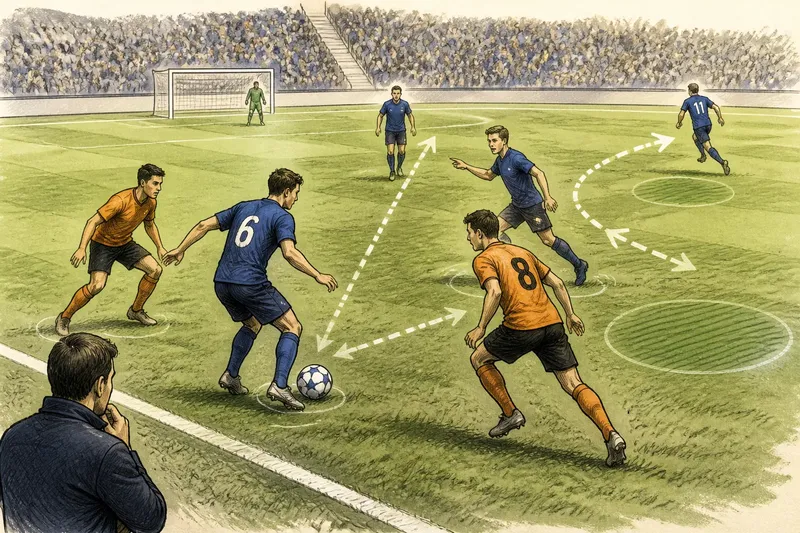
Before kickoff, a soccer captain walks to the referee for the coin toss while teammates finish warming up. Why team captains became part of the game is tied to such practical moments: teams needed a recognized player to speak for the group, pass messages, and take part in match customs.
From group to spokesperson
As organized team contests took shape, a side needed a way to handle exchanges that could not be managed by every player at once. Someone had to meet an opposing captain, represent the team in a formal pregame ritual, or bring a question to an official. Naming a captain gave opponents and officials a clear person to address.
That arrangement also helped a team act as a unit. A captain could relay a coach’s instructions, settle who would take a responsibility, or call attention to an agreed plan. The job did not require the captain to invent the tactics or control every teammate. It gave the group a familiar point of contact.
In this way, captaincy grew from needs that sit between the players and the contest’s wider structure: communication within the side and representation beyond it. Different sports gave those needs different forms, depending on their rules and customs.
Practical duties first
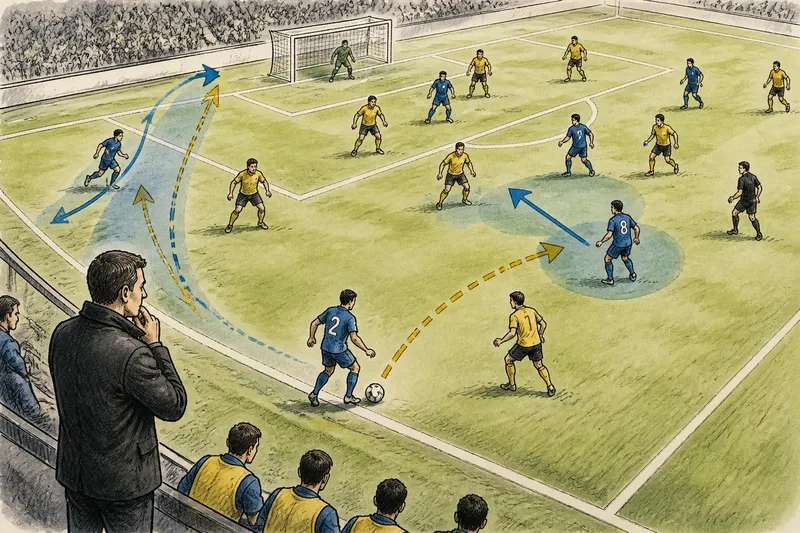
On the field or court, a captain may help teammates coordinate during a pause, remind them of a shared plan, or steady the group after a setback. Some captains also have formal responsibilities toward officials; others mainly lead through communication and example.
Imagine a fictional basketball team that has agreed in practice on a short phrase for switching defensive assignments. After an opponent’s screen causes confusion, the captain calls that phrase, and teammates move to the agreed matchups. The action does not make the captain the coach; it makes a plan the group already knows easier to carry out under pressure.
A team may choose a captain for reliability, judgment, and the trust of teammates rather than for scoring or public fame. The best fit depends on what the group needs and what the sport allows.
Rules and rituals
Sports differ in how much authority they attach to the title. In some, the rules or competition procedures give the captain a defined role in exchanges with officials. In others, the captain’s standing is mostly customary, such as taking part in a coin toss, greeting opponents, or representing the team at an event.
These duties can make captaincy visible even when the match is underway. An armband may identify the player to officials and spectators, but it does not by itself explain the player’s rights. The competition’s rules determine who may raise a question and how that exchange should happen.
Before reading a captain’s approach to an official as a challenge or a negotiation, check the sport’s actual procedures.
Why duties vary
Match structure shapes the job. A sport with frequent stoppages offers more chances for captains to talk with teammates or officials. In continuous play, leadership may rely more on signals, preparation, and brief communication between actions. Team size, substitutions, and coaching arrangements also affect who can speak and when.
Tradition adds another layer. A formal greeting or coin toss may preserve an older custom while providing a useful point of contact before play. Ceremony and practical work can sit side by side, but neither tells the whole story of captaincy.
Captain questions?
Does every sport require a captain?
No. Some rules or competitions designate a captain, while others leave leadership to team custom. Check the event’s regulations to learn whether the title carries formal duties.
Can a captain overrule the coach?
The title alone does not give a captain authority over coaching decisions. A captain may relay instructions or offer observations, but responsibilities depend on the team and sport.
Why do captains wear an armband?
An armband makes the designated player easier to identify. It is a visible signal, not a complete description of that player’s authority.
Can a team have more than one captain?
Some teams share leadership through co-captains or deputies. The arrangement is clearest when players know who handles each kind of communication or decision.
Reading the role
Say a fictional soccer team is preparing for a match, and its competition rules name one captain for official pregame duties. The team selects a player who communicates calmly, gives that player the armband, and asks them to attend the coin toss. The visible result is a clear representative for the ritual; the tradeoff is that teammates may still need separate leaders for tactical direction or support during play. The title organizes one part of the team’s work, not every part.
For spectators, watch who gathers teammates after a stoppage, who takes part in formal exchanges, and what the rules say that player may do. Why team captains became part of the game is clearest in those small tasks: a group becomes easier to coordinate and easier for the contest to address.
A captain’s influence is strongest when the role is understood by the whole team. Agreeing in advance who speaks to officials, who relays tactical messages, and who steps in when the captain is absent prevents a familiar badge from becoming an unclear chain of command.