The Myth of the One-Size-Fits-All Playing Position
A playing position changes with a team’s shape and approach. Learn how to read the same role across different formations and match situations.
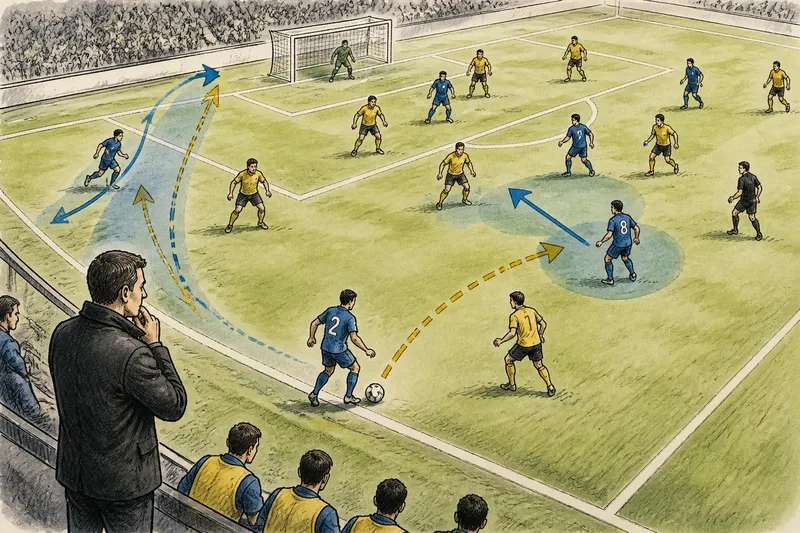
A right back starts near the touchline, but one team asks that player to overlap the winger while another sends them into midfield. The label is the same; the job is not. A playing position in soccer makes sense only alongside the team’s shape, its approach and the moments when that role is expected to change.
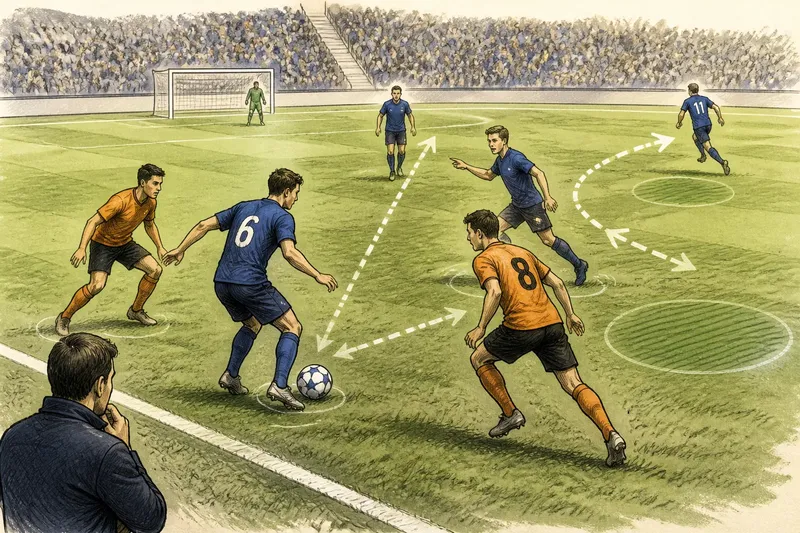
That distinction helps explain why two players listed in the same position can look nothing alike. One may be asked to hold space and protect a teammate; another may be the first runner into attack. To read a role, look past the lineup graphic and watch where the player goes when possession changes.
What a position means
A position is a broad starting place and set of responsibilities, not a complete job description. “Center back,” “winger” and “striker” tell you where a player tends to operate and which areas they are likely to influence. They do not specify every movement, choice or priority.
Coaches shape those responsibilities around the players available and the plan for the match. A center back might step forward to challenge for the ball, cover behind an adventurous fullback or stay close to a partner. Each choice changes the role without changing the position printed on a team sheet.
It helps to separate three ideas: position describes the general location, role describes the task, and formation describes how the team’s positions relate to one another. The terms overlap in conversation, but they answer different questions.
How does shape change a role?
Shape changes a role by changing the spaces a player must cover and the teammates they must support. A midfielder in a pair has different nearby options from a midfielder in a three-player unit, even if both are called central midfielders.
Imagine a team that usually defends with four players across the back and a winger on each side. Its right back may stay deep when the right winger attacks, preserving cover. Now imagine the same team using a narrow midfield that needs width: the right back may advance along the touchline, while a central midfielder shifts across to protect the space behind.
The position has not changed, but the surrounding relationships have. When watching, track the player’s nearest teammate as well as the ball. A role often becomes clearer through that partnership.
What does a fullback do?
A fullback defends the outside channel, but the attacking assignment depends on the team’s plan. Some fullbacks overlap a winger, running beyond them toward the end line. Others move inside to offer a passing option in midfield, while a teammate holds the width.
Those choices affect the rest of the side. If a fullback pushes forward, a center back or midfielder may cover the vacated lane. If the fullback stays back, the winger may be responsible for stretching the defense alone. Neither approach defines the position; both are ways to divide the work.
Look for the player’s route after a pass. A run around the winger suggests an overlapping role; a move toward the middle suggests an inside supporting role. The next action from nearby teammates can confirm who is covering the space left open.
Why do midfielders vary?
Midfield roles vary because teams distribute creation, protection and forward running differently. A defensive midfielder may screen the back line and collect passes from defenders. A more advanced midfielder may look for pockets of space near the forwards, while a box-to-box player contributes across both areas.
These descriptions are useful shorthand, not rigid categories. A holding midfielder can join an attack when the opening is clear; an attacking midfielder may drop back to help build play. The important question is what the team needs from that player in a particular phase.
Watch where a midfielder stands when the defenders have the ball, then notice what changes after the ball moves forward. A player who drops between defenders may help start possession; one who stays beyond the opposing midfield may be positioned to receive a forward pass.
Is a striker always the main scorer?
No. A striker may lead the line, but the role can emphasize linking passes, pressing defenders or creating space for teammates rather than taking every shot. Some teams use one central forward; others pair two forwards with different tasks.
One striker might occupy center backs and hold the ball while a second runs beyond. In another setup, the central forward may drift wide to open a lane for a midfielder arriving from behind. The lineup label does not reveal which pattern the team is using.
To read the role, notice what the striker does before the ball arrives. If they check toward a teammate, they may be offering a short link. If they threaten the space behind the defense, they may be stretching the line and opening room elsewhere.
How do roles change without substitutions?
Roles can shift during a match when the team changes its shape, responds to pressure or enters a different phase of play. A winger may track an opposing fullback while defending, then move high and wide after a turnover. The player remains a winger, but the immediate assignment changes.
Say a team is protecting a narrow lead and its left winger begins dropping alongside the midfield. The expected result is a more crowded defensive middle and fewer forward runs from that player. If the team later chases an equalizer, the winger may stay high to offer a counterattacking outlet. The observable clues are the player’s starting distance from the ball and the teammates who take over the space they leave.
Substitutions can prompt similar adjustments, but a changed role does not always mean a player has switched positions. A forward asked to press a certain defender still plays forward; the pressing target is an added assignment.
Which questions clarify a role?
Where does the player start?
Starting location gives you a first clue, especially when the team has the ball. Check whether the player stays wide, moves centrally or drops toward the defense as play develops.
Who covers the space behind?
Cover reveals how the team shares risk. If a player advances, notice which teammate shifts into the open lane or stays deeper to protect it.
What changes after a turnover?
Possession changes can expose a role’s defensive duties. Watch whether the player presses immediately, retreats toward goal or tracks a particular opponent.
Who benefits from the movement?
A run may be designed to create room for someone else rather than receive the ball. Follow the defenders’ response to see whether a teammate gains a clearer passing lane or a useful patch of space.
Reading beyond the lineup
Before a match, a formation graphic can suggest where a team expects to begin, but it cannot show every instruction. During play, compare the team’s defensive arrangement with its attacking positions. A side may defend with a flat back line yet use a different shape when building from the goalkeeper.
That is why “same position” can describe quite different jobs across teams. The useful comparison is not simply player to player; it is role to role within each side’s plan. Ask what space the player is responsible for, who supports them and what the team gains from their movement.
For a clearer read of a playing position, follow one player through a few changes of possession rather than judging from a single snapshot. The movement between those moments often tells you more than the name on the lineup.