A First Day at a Multi-Sport Event: Choosing What to Watch
Plan a first day at a multi-sport event around the rules, rhythms, and roles that interest you, while leaving enough room to watch how each game unfolds.
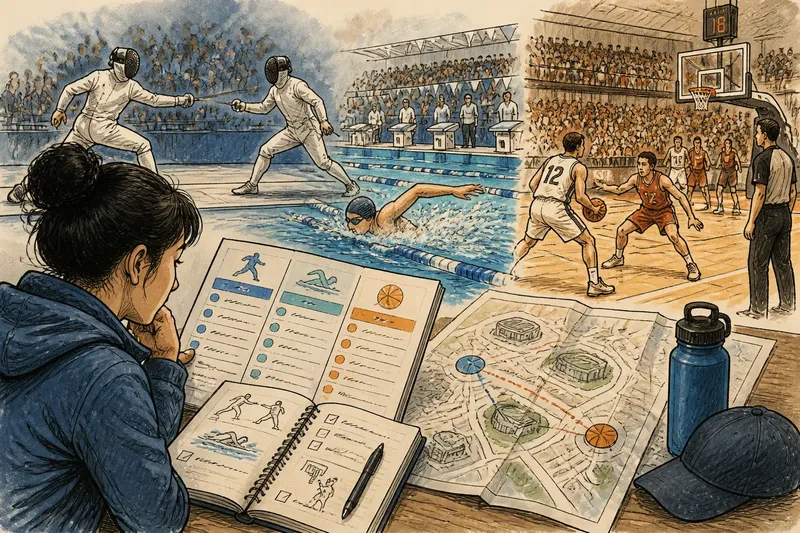
Your ticket app lists fencing, swimming, and basketball, with sessions close together. For a first day at a multi-sport event, choose not just where to go but what you want to learn: how a match is scored, how tactics change, or how athletes share the work.
Choose a question
A useful starting point is a question you can carry from one venue to another. In fencing, watch how a fencer manages distance before attacking. In swimming, notice how a race’s strokes and turns shape the contest. In basketball, follow how a team creates space for a shot.
Pick one anchor session and one alternative. The anchor gives your day a center; the alternative can offer a different kind of sporting problem. A close individual contest and a team game, for instance, reveal different relationships between decision-making, timing, and coordination.
Say you are curious about fencing and swimming. You choose a fencing session first, then check the program for its format and the swimming running order. If the transfer leaves room for a break, swimming becomes your second option; if the fencing match runs long, you can stay to see how its tactics develop. The resulting plan favors understanding over collecting brief glimpses.
Read the competition
A session may contain several matches, heats, or medal events, so its start time may not mark the moment you most want to see. Check the official program for the format and published running order, then treat that order as a guide. A sport’s structure changes what is rewarding to watch: a single elimination match can turn on a short sequence, while a multi-round event invites comparisons across attempts or races.
Before settling in, look for the basic rules that explain what counts. In fencing, the scoring system and right-of-way rules differ by weapon. In swimming, the event name tells you the stroke and distance, while the rules define legal turns and finishes. In basketball, fouls, shot-clock decisions, and substitutions can change a possession’s meaning.
Choose one detail to follow rather than trying to learn every rule at once. Watch whether a fencer changes distance, whether a swimmer’s position shifts after a turn, or whether a basketball team adjusts its defense. You will have a clearer lens for the action.
Map the transitions
Check the venue map alongside the schedule. Two venues that look close on a screen may have separate entrances, controlled routes, or a busy plaza between them. Note the venue names and the permitted route; a straight line on a map may not be the route spectators can use.
Build in time to leave, walk, use the restroom, find food, and enter the next venue. If arriving late could mean missing the event’s opening, plan to reach the area early enough to get through entry and settle. If you are content to see only part of a session, make that an intentional choice rather than assuming every transfer will be effortless.
One practical check can prevent a rushed change: compare the next session’s start with the walk and entry route, then decide whether the transfer is realistic or whether your alternative is better.
Build a flexible plan
Think in three blocks: an anchor session, a nearby choice, and a close-out. Use the middle block for another sport, more time at the first venue, or a pause. For each block, check the item below and make the stated choice based on what you observe.
- Program: Check whether the session includes several events; if the running order is useful, choose a target within it, but if it is uncertain, plan to arrive for the session rather than a precise moment.
- Venue route: Check the official map for entrances and permitted paths; if the transfer leaves room to enter and settle, keep the next session, but if not, choose a nearer option.
- Competition format: Check whether the event is a heat, round, or final; if watching the full contest helps you follow its structure, stay, but if your interest is a particular stage, plan around that stage without assuming an exact start.
- Rules: Check one rule that affects scoring or play; if it helps you interpret the action, follow that detail, but if it feels distracting, return your attention to the contest’s basic objective.
- Energy: Check whether you feel ready to walk and watch another session; if you do, continue to the next venue, but if you feel tired, take a seated break or stay where you are.
- Entry and re-entry: Check the venue’s current instructions; if re-entry is allowed, an early exit may remain an option, but if it is not, decide whether to stay before leaving your seat.
- Phone and ticket access: Check that your ticket and route details are available; if the phone is unreliable, use saved information or venue signage, but if neither gives the needed detail, ask an event official before setting off.
These checks are prompts, not appointments. A contest may become more interesting as athletes adjust their tactics, or a venue’s atmosphere may change your idea of what is worth watching. Keep one easy alternative in mind, such as a nearby event or a seated break.
What should you adjust?
What if the event starts late?
Check the official schedule or venue notice, then compare the update with your next session and transfer route. If the delay removes the time you need to get there, choose which contest matters more instead of trying to preserve every original stop.
How can you follow an unfamiliar sport?
Start with the contest’s objective and one rule that determines scoring, then watch how athletes or teams pursue it. If the rule remains unclear, check the event’s official explanation or ask an event official rather than guessing.
What if a venue is full?
Check for an official update and use your alternative rather than waiting without knowing whether entry may open. A nearby session can still offer a useful comparison of rules, pace, or team roles.
How many sports should you choose?
Choose enough to give each visit time to make sense, rather than turning every transition into a race. One full contest and a shorter visit to another sport can reveal more than several rushed arrivals.
Notice the roles
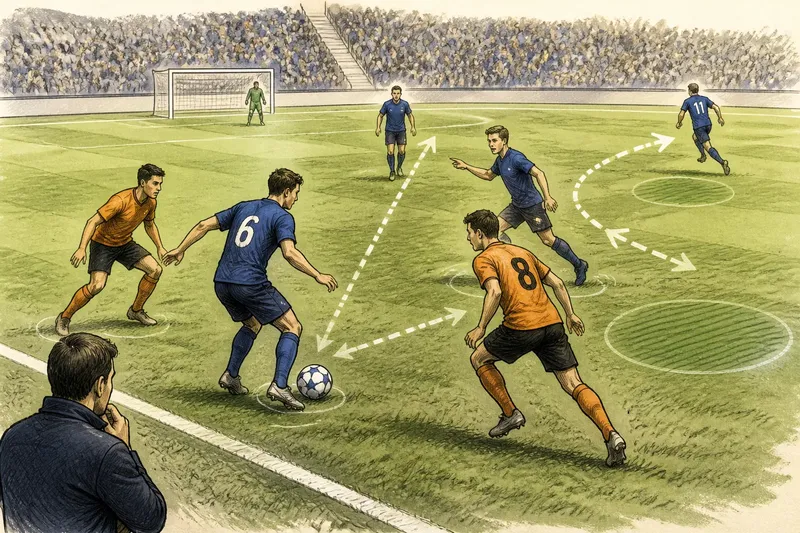
Sport literacy grows when you watch more than the score. In a team game, notice who creates space, who protects it, and how substitutions alter the shape of play. In an individual event, watch how an athlete manages preparation and adjusts after an attempt. Officials, coaches, and support staff also affect the event’s flow, though the rules and competition remain the focus.
Imagine you arrive at a basketball game expecting to watch scoring. You notice a defender stepping toward the ball, leaving a teammate to cover the open space; then the offense changes its setup, and the defense shifts again. You have not learned every tactic, but you can see how one role prompts another decision. That observation may make the next possession easier to read.
For a first day at a multi-sport event, use the schedule to choose a question, then let the competition answer it at its own pace. Check the route before leaving each venue, and carry one rule or role forward; it will help you see the next sport as a game with its own logic, not just another time slot.